

Product Description
1963 Dodge Polara Brake Booster Rebuilding
Restore the original braking performance of your classic Dodge Polara while maintaining factory appearance and fitment.
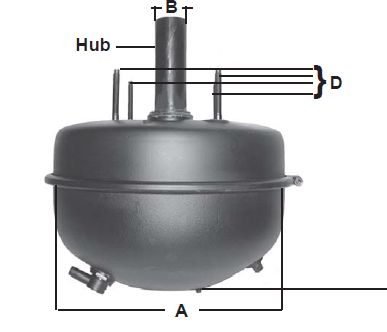
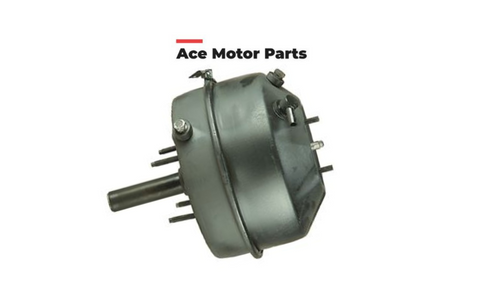
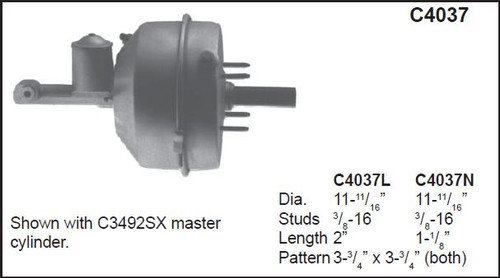
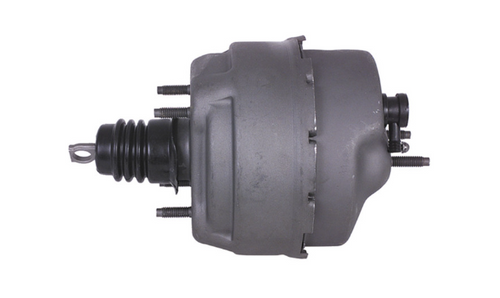
The brake booster used on the 1963 Dodge Polara is a critical component of the factory power brake system. Designed to reduce brake pedal effort and improve driver comfort, the booster uses engine vacuum to assist braking performance while preserving the smooth pedal feel expected from Dodge's full-size vehicles of the era.
More than sixty years later, many original brake boosters have developed vacuum leaks, deteriorated diaphragms, worn seals, internal corrosion, and other age-related issues. These problems can lead to a hard brake pedal, reduced braking assist, longer stopping distances, and diminished driving confidence.
Important Availability Information
Original 1963 Dodge Polara brake boosters are no longer available new from the manufacturer. Good used cores have become increasingly difficult to find, and most used units require rebuilding due to age and wear. For most owners, rebuilding the original brake booster is the most practical and cost-effective solution.
Why Rebuild the Original Booster?
Rebuilding the original booster preserves the factory engineering and appearance of your vehicle. The original mounting points, pushrod length, firewall fitment, pedal geometry, and master cylinder compatibility remain unchanged.
This allows owners to maintain originality while avoiding unnecessary modifications that may affect the vehicle's value, appearance, or installation complexity.
Aftermarket Conversion Considerations
While aftermarket brake booster conversions are available, many require significant modifications to the vehicle. Depending on the system selected, installation may require:
- Replacement master cylinder
- Custom mounting brackets
- Modified brake lines
- Altered pedal linkage geometry
- Firewall modifications
- Additional fabrication or adjustment work
Although these conversions may function properly, they often compromise originality and can add unnecessary expense and installation time. Rebuilding the factory unit is generally the preferred option for restorers and enthusiasts seeking factory-correct results.
Typical Rebuilding Process
During rebuilding, the original brake booster is carefully disassembled and inspected. Internal components are evaluated for wear and damage, and serviceable parts are replaced as needed.
- Complete disassembly and inspection
- Housing cleaning and restoration
- Replacement of worn seals and diaphragms
- Vacuum valve inspection and servicing
- Internal component replacement as required
- Reassembly and functional testing
The goal is to restore proper vacuum assist and reliable braking performance while retaining the original factory booster.
Common Symptoms of a Failing Brake Booster
- Hard brake pedal
- Excessive pedal effort required to stop
- Vacuum leaks
- Hissing noise when the brake pedal is applied
- Reduced power brake assist
- Longer stopping distances
- Brake pedal that does not return properly
- Engine idle changes when pressing the brake pedal
- Intermittent loss of brake assist
The Preferred Solution for Classic Mopar Owners
For owners of the 1963 Dodge Polara, rebuilding the original brake booster remains the best option for maintaining factory appearance, proper fitment, and original braking characteristics. By restoring the original unit, you can avoid unnecessary modifications, preserve authenticity, and keep your classic Dodge as close to factory specifications as possible.
```